Key Takeaways
- A high water bill is usually a silent leak or a change in usage, not a billing error. Compare usage in cubic metres first.
- The water meter leak test takes 15 minutes: turn everything off and watch the meter. If it moves, water is escaping somewhere.
- Toilet cisterns are the usual hidden water leak. PUB says 1 can lose up to 10 litres an hour.
- Leaks inside your flat are yours; leaks from common property go to the Town Council.
- A dripping tap repair costs $60 in Singapore and takes about 30 minutes with Urban Company.
The Bill in Punggol
The bill arrives on a Tuesday evening in your Punggol flat, and the water charges are well up on last month. You can’t see a drop of water anywhere. That’s normal: the leaks that push up a bill are the ones you don’t see.
Is It the Bill or a Leak?
Rule out a usage or billing cause first. It takes 5 minutes.
- Compare cubic metres, not dollars. Check the water used (m³) against your last 3 to 6 bills. Charges change; volume is what came through the pipes.
- Check the billing period. More days means more water.
- Think about the household. School holidays, a relative staying over or a big clean before Chinese New Year all add up.
- Read the meter yourself. If it shows less than the reading on the bill, that’s a billing question for whoever bills you, not a plumbing one.
If usage jumped and nothing changed at home, that is why your water bill is so high: water is going somewhere you aren’t looking.
How to Check for a Water Leak: the Meter Test
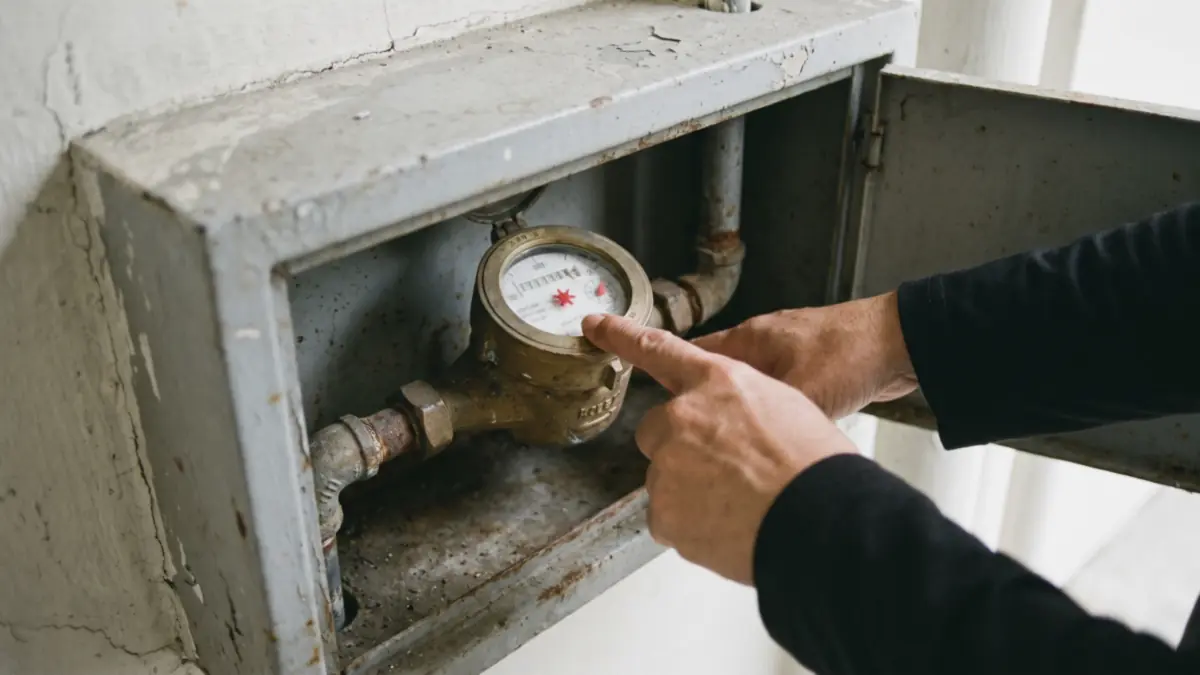
The water meter leak test confirms a leak without opening anything. PUB’s tips on finding leaks say to turn off all taps and appliances using water and check your meter; if the dial continues to run, there’s likely a leak.
- Find your meter. In an HDB block it is usually in the meter box in the corridor outside your door. In a condo, check the riser on your floor.
- Turn everything off. Taps, shower, washing machine, water heater, water filter. Don’t flush.
- Photograph the reading, with the time.
- Wait at least 15 minutes, longer if you can, while nobody uses water.
- Read it again. Any movement in the numbers or the small dial means a leak.
Where Do Hidden Water Leaks Usually Hide?
Most hidden leaks are at a fitting you use every day, not inside a wall. PUB points to the toilet cistern and under the sink, and suggests listening for dripping at night and looking for mould, discolouration or peeling paint.
| Where | What you’ll notice | What to do next |
|---|---|---|
| Toilet cistern | Nothing, or a faint trickle down the back of the bowl | Dye test |
| Dripping tap | A drip you’ve stopped hearing | Washer, cartridge or new tap |
| Under the sink | Damp cabinet base, musty smell | Tissue test on each joint |
| Bidet spray and hoses | Slow drip at the hose joint or valve | Tighten or replace the hose |
| Washing machine inlet hose | Damp floor behind the machine | Check the hose and its washer |
| Storage water heater | Drips from a valve or pipe below the tank | Call a professional |
| Concealed pipe | Damp patch, bubbling paint, stain on the ceiling below | Shut the stopcock, call a plumber |
For a cistern, follow the dye test in why a toilet cistern keeps running. For water under a basin or kitchen sink, use how to find a sink leak and what to fix. For a dripping storage heater, see what to check when a water heater stops working.
How Do You Find Which Fitting Is Leaking?
Close the valves 1 branch at a time and read the meter after each. It’s basic water leak detection with no equipment.
Most toilets and sinks have a small isolation or angle valve on the supply pipe. Close the cistern valve, wait 10 minutes and read the meter. If it has stopped, you’ve found the leak. If not, reopen it and try the basin, kitchen sink, washing machine tap and water heater in turn.
If the meter still moves with every valve closed, the leak is in a pipe, possibly in a wall or floor. That hidden water leak needs a plumber. If your water has also gone weak, read what to check when water pressure drops.
Can a Smart Water Meter Detect Leaks?
Yes, if PUB has installed 1. The smart water meter notifies households of unusual water usage and suspected leaks. Installation is free, and the data refreshes once a day. The MySmartWaterMeter portal is open only to households that have received PUB’s invitation letter, so if you have 1, activate it.
What Can You Do Yourself, and Who Is Responsible?
You can run the meter, dye and valve checks, and replace a tap washer or shower hose. Pipe repairs are not DIY.
- Stop the water first. HDB says to shut the stopcock at the PUB water sub-meter if there is a leakage, and to engage a licensed plumber for repairs.
- Inside your flat, it’s yours. HDB states that flat owners are responsible for the upkeep of their flat, and leaks from common property go to the Town Council. A stain on your downstairs neighbour’s ceiling is a reason to move now.
- Pipes need a licence. PUB says regulated water service and sanitary plumbing works must be carried out by Licensed Plumbers, except simple works handymen can do, like replacing a tap or showerhead. For pipe work, ask whether the person attending is a PUB Licensed Plumber.
When Should You Call a Plumber?
Call when the meter still moves with every valve closed, when a wall or ceiling is damp, or when you’d rather not take a fitting apart.
With Urban Company, a dripping tap repair is $60 and takes about 30 minutes, and a flush system repair for a leaking cistern is $120 and takes about 1 hour 30 minutes. Found 2 or 3 small leaks? Hourly bookings start from $39, so 1 visit can clear the list. A professional arrives within 30 minutes of booking.
A concealed pipe leak usually has to be seen before any provider can quote. Read why plumber quotes in Singapore vary so much, book a plumber in Singapore, or browse more plumbing guides.
Frequently Asked Questions
Why is my water bill so high all of a sudden?
First compare the usage in cubic metres with earlier bills, not the dollar amount, and check the billing period length. More people at home or a new appliance can explain a rise. If usage jumped with no change in habits, run the meter test, because a silent leak is the likely cause.
How do I check for a water leak in my HDB flat?
Turn off every tap and every appliance that uses water, then look at your water meter in the corridor meter box. Note the reading, wait at least 15 minutes without using any water, and read it again. If the numbers or the dial have moved, water is leaking somewhere after the meter.
What is the most common hidden water leak at home?
A toilet cistern leaking into the bowl. It is silent, you rarely see it, and PUB says a leaking cistern can lose up to 10 litres of water an hour. Add a few drops of food colouring to the cistern, don’t flush, and check the bowl after 15 minutes for coloured water.
Who pays for a leak inside the wall or ceiling of an HDB flat?
HDB says flat owners are responsible for the upkeep and maintenance of their flat, so a leak from a pipe or fitting inside your unit is yours to fix. Leaks from common property go to your Town Council, which HDB says also maintains the main sanitary pipes. If unsure, report it and let them check.
Can a smart water meter detect leaks?
Yes. If PUB has installed a smart water meter at your home and you have activated a MySmartWaterMeter account, you can receive alerts on suspected leaks and unusually high usage. The data refreshes once a day, so it can flag a leak weeks before your next bill arrives.
Do I need a licensed plumber to fix a water leak?
It depends on the fix. Replacing a tap, a shower hose or a showerhead is simple plumbing work that does not need a licence. Repairing or replacing water pipes is regulated work, and PUB requires it to be done by a Licensed Plumber. Ask before the job starts.